

How to Become a Window Glazier
Install, repair and replace glass windows and doors partitions, walls and partitions, and skylights. You can enter this trade by completing an apprenticeship with a construction company or a specialist fenestration business, or you can apply directly for instruction on-site.
Interpret blueprints to cut, assemble, and install glass into shop windows shower doors, display cases and other commercial or residential structures. Also, make and install moldings.
You can also find out more about
Glaziers install glass or glass substitutes into structures like skylights, window frames, showers, baths, solariums and many more. They interpret blueprints and read them to determine the size, shape and colour of the glass or substitute that needs to be installed. They also construct and fix metal and other frame components onto windows to support the glass material. Glaziers use a wide range of tools, such as hand and grinders, power saws, and drills. They typically work at high levels using cranes or hoists with suction cups.
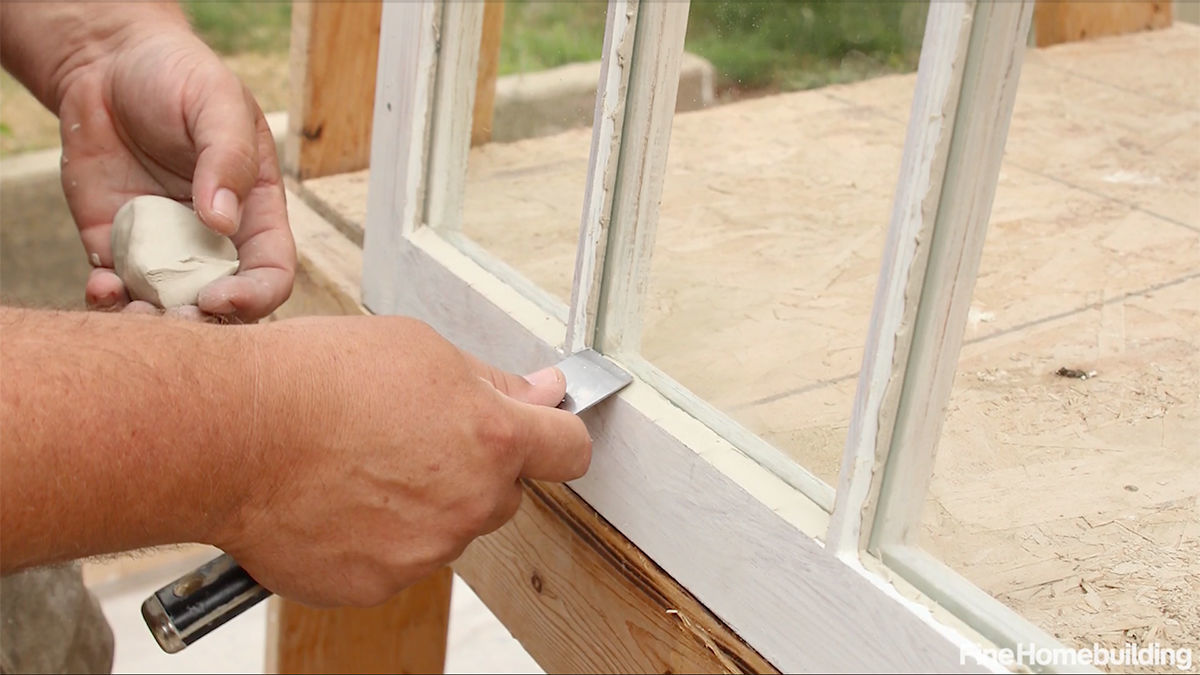
Alongside being skilled in the process of preparing and installing new glass, glaziers also carry out important maintenance and repair tasks on existing installations. They frequently inspect glass surfaces to find defects or imperfections that could affect safety, functionality or the aesthetic appeal of an object. Glaziers replace or repair broken or damaged glass in accordance with strict safety protocols.
Performing these tasks requires meticulous concentration on the smallest of details and a high level of physical strength and endurance. They must be able maintain their balance and endurance as they stand for long periods of time or move heavy glass or glass substitutes. They must be able operate machinery and read detailed instructions, and work with precision to ensure that their installations are flawless.
When glaziers prepare glass to be installed, they meticulously measure and cut the material according to precise specifications, making sure that each piece fits within its space. They also prepare supplementary components like sashes mouldings, and weatherproofing sealants in order to extend the lifespan of their glass installations.
Glaziers can precut and mount the glass into frames in factories, or at a contractor's workshop, prior to delivering it to the construction site. They then fix the glass in place by using clips, moldings, and other kinds of fasteners. They may also make use of special equipment, like tables with padding or jigs that ensure the glass is held in place while aligning the glass with design templates, and positioning it on the building's façade.
Glaziers should also be able to apply sealants accurately. They are vital in stopping leaks of air infiltration, water and thermal insulation penetration, so they need to be able to follow precise instructions. They must also know how to choose the right sealant for the job. Different products have different properties that can influence their durability and effectiveness.
Experience
A glazier should have worked experience usually through an apprenticeship. Apprenticeship programs provide future glaziers with the opportunity to learn from experienced professionals about the use of glass and metal framing tools and drawing, blueprint reading and general techniques for construction.
Glaziers work in a variety of locations, from residential structures and office complexes, to hospitals and schools. This variety exposes them to an array of architectural styles and designs, making their work exciting and diverse. They can also be involved in individual projects like the restoration of churches and historic buildings, which require them to use both their creative and technical skills.
The job of a glazier is to install and repair skylights, curtains windows and doors. To satisfy customer and project requirements, they need to be able to accurately measure and cut the materials. Glazier and Glazing Services includes the use of glazing compound, caulking, and fasteners to secure the glass. Glaziers also repair and replace window frames and hardware depending on the need.
Glaziers work physically demanding, with workers often working at heights of over 100 feet and spending the majority of their time outside in hot or cold weather. They must be able exert up to 100 pounds. of force, and have good balance when working on ladders or scaffolding. They should also be comfortable with the loud sounds that are commonplace on construction areas.
Glaziers use a variety of different types that include bulletproof, laminated, and tempered glass. These different kinds of glass have distinct handling, cutting and installation requirements. To be able choose the most suitable material for their project glaziers must have a thorough understanding of the characteristics of each type of tempered glass.
The work of a glazier requires collaboration with other contractors and project managers in order to understand the specifications of the design, discuss project needs, and plan the installation process. Communication and teamwork are crucial to ensure quality work and conformity with industry standards. Glaziers also have to maintain a clean and safe working environment by regularly cleaning broken glass, storing materials in a safe manner and establishing designated areas for waste removal.
Education
Glaziers can install, replace and repair glass in various kinds of buildings. They play a crucial role in improving the quality of light, energy efficiency, and safety. They also enhance the overall aesthetics and design of the building.
You must possess a high school diploma or equivalent, and complete an apprenticeship program or traineeship. The apprenticeship or traineeship usually lasts for 4 years and includes on-the-job experiences as along with formal classroom instruction. The coursework focuses on all aspects of the trade, such as learning how to use tools and equipment; how to handle the measurement, cut, and install various glass and metal framing products; how to build and install glass doors; and basic welding certification. The course covers academic skills such as reading plans, math, construction techniques, and safety practices.
Apprentices who complete their course successfully are awarded a journeyman certificate that proves they have the experience and abilities required to work independently on the field. This is an essential element of the training process and assures you that you are competent to perform your job in a safe, efficient and in accordance with the industry standards.
Local unions, contractor associations, and technical schools may offer you opportunities to complete a glass apprenticeship. You can also enroll in an specialized glass fabrication course which will give you greater depth of knowledge in specific areas.
To be a successful glass worker, you need to be able to communicate effectively and have excellent interpersonal skills. You'll need to communicate with customers as well as fellow glaziers and workers on the site. You'll have to explain technical information in a simple manner to ensure that everyone knows what is expected of them. You'll need to be able resolve any issues that may arise during the course of work.
Glaziers are often working with heavy machinery and should be able to lift and carry large pieces of glass. You will need to have good physical strength, stamina, and balance. It's also a good idea to wear protective equipment when working with brittle or sharp materials. Glaziers must also be aware of their surroundings, and be on the lookout for any potential hazards such as debris or falling objects.
Certifications
Glaziers work in a variety of different settings, like construction sites and homes. They must be able to navigate safely in these environments and work with heavy materials. They also must be able to communicate effectively with other workers and project managers.
Because glaziers are responsible for the installation, repair, and replacement of glass, they must be skilled in their work. To do this, they need to have an excellent manual dexterity, great eyesight, and a strong sense of balance and physical fitness. They must not be scared of heights and possess the ability to work in tight space.
Certain glaziers are provided formal apprenticeship training with an association of contractors or a trade union association or through a vocational school program. These programs combine classroom instruction with on-the-job learning, focusing on safety procedures and industry standards. Certain glaziers also seek certifications like the Certified Glazing Installer which is offered by the National Glass Association. This certification is available to Glaziers with at least 2 years experience. It is focused on advanced glazing and project management.
Other glaziers complete the AAMA Product Certification program, which is a way to identify products that meet the strictest performance standards. These include resistance to water penetration and air infiltration, structural loads and impact, as well as insulated glass seal durability. To earn this credential products must pass a rigorous independent testing process. This includes a laboratory analysis and unannounced manufacturing inspections of the facility.
AAMA certification is crucial for Tampa Bay residents who are seeking windows that are able to endure extreme weather conditions, such as heatwaves and hurricanes. This designation ensures the glass meets the highest standards of performance.
You need to find an experienced glazier with demonstrated experience in installing and repairing windows of the highest quality. It is recommended to choose a glazier with the necessary insurance, licenses, and certifications to meet the requirements of your state. Kensington Glass Arts has the AAMA certification required to operate in all states and is also ISO-certified, meaning that our manufacturing processes are in line with the strict international ISO standards.